Posts

How do they make snake anti-venom?

Image
Advanced lesson plan (B2 and above): How do they make snake anti-venom? - BUY ME A COFFEE if you like my FREE ESL content Snake bites are a "significant yet neglected global health problem", killing 100,000 people every year and leaving another 400,000 with permanent disabilities. The technology underpinning snake anti-venom was discovered in the 1890s, yet over 100 years later it is still not readily accessible to people in developing countries where snake bites are most common. So why is snake anti-venom so difficult to produce and distribute to bite victims?   In this B2+ worksheet, students will  Study a video about snake anti-venom Learn six bite-related  idioms Discuss six phrasal verbs based on DIE (to DIE away, to DIE down, to be DYING for, to DIE on someone, etc.) See  advanced adjectives  to describe a snake Read and answer questions about a man who lets snakes bite him with the goal of developing a vaccine against snake venom Differentiate ...

What can science tell us about queuing?

Image
Advanced lesson plan (B2 and above): What can science tell us about queuing? -   BUY ME A COFFEE if you like my FREE ESL content Social scientists have found queuing behaviour is governed by "the rule of six". On average, we will wait six minutes in a queue before giving up in frustration. In addition, people are unlikely to join a queue that has more than six people in it. Finally, six inches (15cm) of personal space is the minimum distance required between participants in a queue to avoid stress.  In this B2+ worksheet, students will  Study a video about the science of queuing Learn six line-related  idioms Discuss six phrasal verbs based on WAIT (to WAIT around, to WAIT on someone, to WAIT up for someone, etc.) See  advanced adjectives  to describe people waiting in line Read and answer questions about the "rule of six" in queuing Differentiate between  negative modal verbs of obligation (mustn't, shouldn't, to not have to) Educational material...

Is laughter really the best medicine?

Image
Advanced lesson plan (B2 and above): Is laughter really the best medicine? -  BUY ME A COFFEE if you like my FREE ESL content Laughter is a behaviour we share with chimpanzees, gorillas, mice and even parrots. We laugh to show amusement and agreement. But is it really as good for our health as the old adage would have us believe? In this B2+ worksheet, students will  Study a video about the science of laughter Learn six laughter-related  idioms Discuss three phrasal verbs: laugh at , laugh with , laugh off See advanced adjectives to describe a group of laughing friends  Read and answer questions about "laughing yoga" Differentiate between to + infinitive  vs.  the gerund  after certain phrases  Educational materials shouldn't be paywalled. Show your support for my ESL content by  buying me a coffee! Click  HERE   f or the worksheet answers  Lesson objectives: 1) To match six pictures with LAUGH-related phrasal verbs (to l...

What causes your leg to fall asleep?

Image
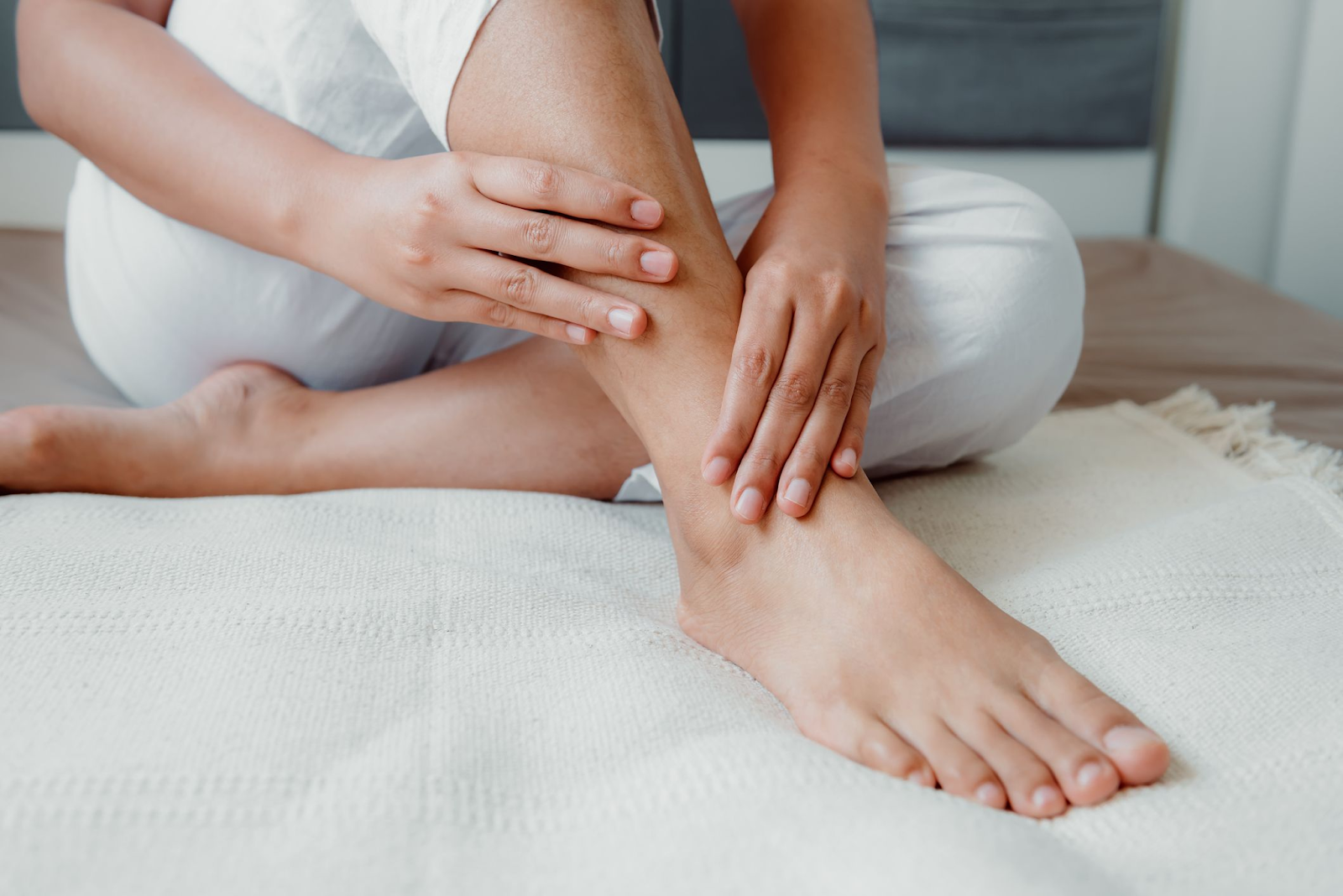
Advanced lesson plan (B2 and above): What causes your leg to fall asleep? -   BUY ME A COFFEE if you like my FREE ESL content If you've ever sat cross-legged for too long, you'll know how quickly your leg can lose sensation. Inevitably, that numbness is followed by an oh-so painful case of pins and needles as your leg "wakes up".  In this B2+ worksheet, students will  Study a video about the science of pins and needles Learn six leg-related  idioms Match six pictures with  phrasal verbs based on STEP See  pun-ny leg-related jokes  Read and answer questions about innervated prosthetic legs Learn how to use the verb "wish" in unreal and real situations Educational materials shouldn't be paywalled. Show your support for my ESL content by  buying me a coffee! Click  HERE   f or the worksheet answers  Lesson objectives: 1) To match six pictures with STEP-related phrasal verbs (to step down, to step in, step on it, step back, to step...

What was life like for British coal miners?

Image
Advanced lesson plan (B2 and above): What was life like for British coal miners? -  BUY ME A COFFEE if you like my FREE ESL content Imagine endless hours of stooping over, crawling and squatting in dark and dank coal mines. Over one million men worked as coal miners in 1920s Britain, digging up fuel for the nation's fireplaces and factories.  In this B2+ worksheet, students will  Study a video about coal mining in Britain Choose between  "used to" vs. "would" for past narratives Learn four phrasal verbs based on DIG Study six coal mining-related  idioms Read and answer questions about a George Orwell essay on coal mining See advanced adjectives to describe coal miners' working conditions Educational materials shouldn't be paywalled. Show your support for my ESL content by  buying me a coffee! Click  HERE   f or the worksheet answers Lesson objectives: 1) To learn four phrasal verbs based on DIG (to dig into, to dig up, to dig out, dig in!) 2) ...

What is Dolly the Sheep's scientific legacy?

Image
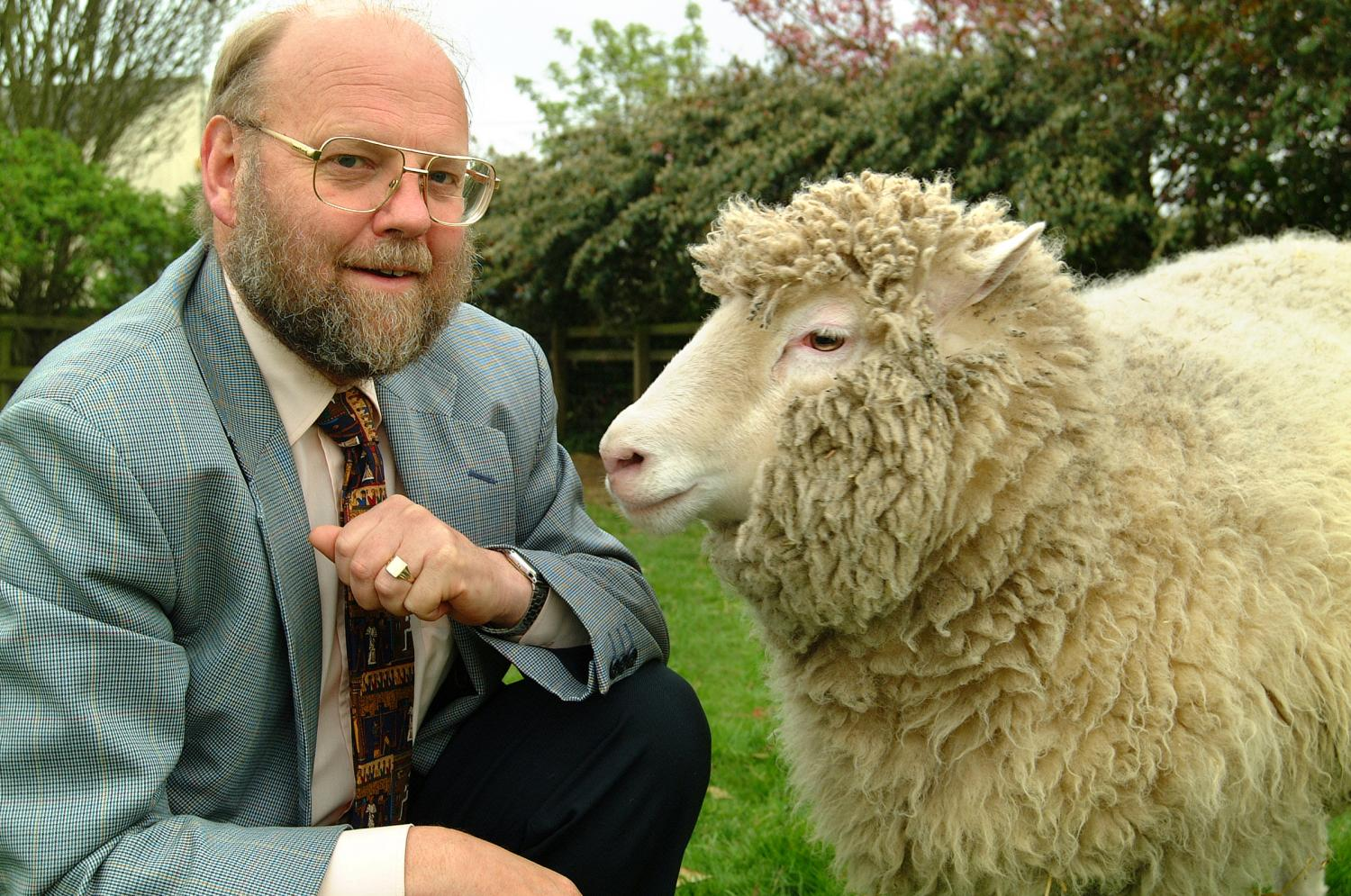
Advanced lesson plan (B2 and above): What is Dolly the Sheep's scientific legacy? -  BUY ME A COFFEE if you like my FREE ESL content When the news broke in 1996 that scientists had cloned a sheep, dire and fantastic predictions were made: humans would be cloned, lost children rebirthed and diseases cured. Now, 25 years later, we are asking: what is Dolly the Sheep's scientific legacy?  In this FREE B2+ worksheet, students will  Study a video about Dolly the Sheep Learn six sheep-related  idioms Complete sheep-related sentences using either the definite or indefinite articles See  pun-ny sheep jokes   Read and answer questions about stem cell research Practise using prepositions to complete a spot-the-difference exercise Educational materials shouldn't be paywalled. Show your support for my ESL content by  buying me a coffee! Click  HERE   f or the worksheet answers. Lesson objectives: 1) To practise using prepositions to complete a spot-...

How did they make cheese in medieval times?

Image
Advanced lesson plan (B2 and above): How did they make cheese in medieval times? -  BUY ME A COFFEE if you like my FREE ESL content Humans have been making cheese for 10,000 years, for as long as we've been shepherding ruminants. We've experimented a lot over the millenia, giving rise to tens of variants: brie, camembert, cheddar, cottage, feta, gorgonzola, grana, gruyère, roquefort, wensleydale - the list goes on.  In this B2+ worksheet, students will  Study a video about how to make medieval cheese Learn six cheese-related  idioms Match cheese-related pictures with phrasal verbs  See advanced adjectives to market cheese Read and answer questions about England's famous Cheese Roll event Learn the difference between  stative  and  dynamic  forms of verbs Educational materials shouldn't be paywalled. Show your support for my ESL content by  buying me a coffee! Click  HERE   f or the worksheet answers Lesson objectives: To...