Posts

Showing posts with the label conversational

Is laughter really the best medicine?

Image
Advanced lesson plan (B2 and above): Is laughter really the best medicine? -  BUY ME A COFFEE if you like my FREE ESL content Laughter is a behaviour we share with chimpanzees, gorillas, mice and even parrots. We laugh to show amusement and agreement. But is it really as good for our health as the old adage would have us believe? In this B2+ worksheet, students will  Study a video about the science of laughter Learn six laughter-related  idioms Discuss three phrasal verbs: laugh at , laugh with , laugh off See advanced adjectives to describe a group of laughing friends  Read and answer questions about "laughing yoga" Differentiate between to + infinitive  vs.  the gerund  after certain phrases  Educational materials shouldn't be paywalled. Show your support for my ESL content by  buying me a coffee! Click  HERE   f or the worksheet answers  Lesson objectives: 1) To match six pictures with LAUGH-related phrasal verbs (to l...
What is Dolly the Sheep's scientific legacy?

Image
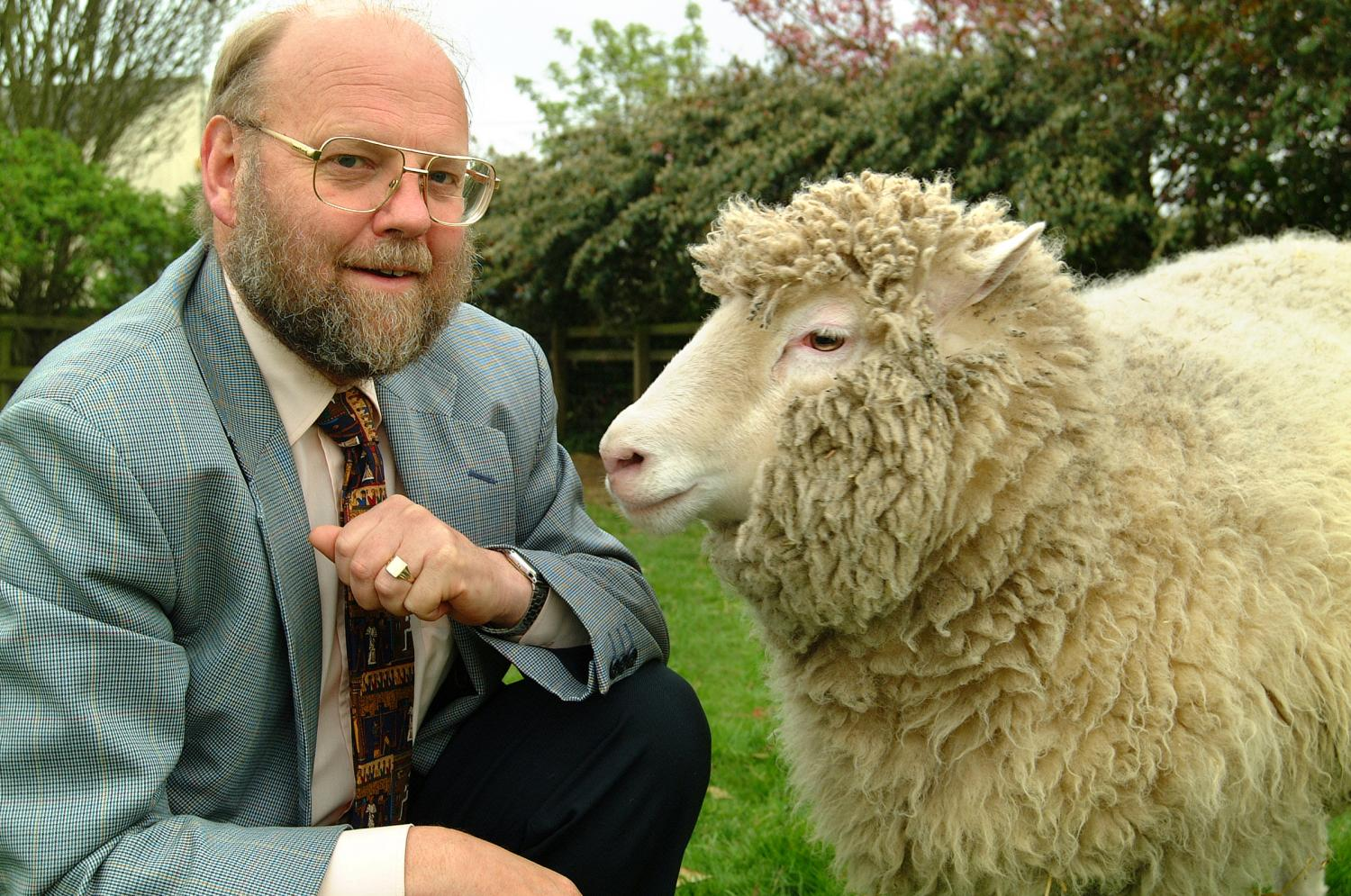
Advanced lesson plan (B2 and above): What is Dolly the Sheep's scientific legacy? -  BUY ME A COFFEE if you like my FREE ESL content When the news broke in 1996 that scientists had cloned a sheep, dire and fantastic predictions were made: humans would be cloned, lost children rebirthed and diseases cured. Now, 25 years later, we are asking: what is Dolly the Sheep's scientific legacy?  In this FREE B2+ worksheet, students will  Study a video about Dolly the Sheep Learn six sheep-related  idioms Complete sheep-related sentences using either the definite or indefinite articles See  pun-ny sheep jokes   Read and answer questions about stem cell research Practise using prepositions to complete a spot-the-difference exercise Educational materials shouldn't be paywalled. Show your support for my ESL content by  buying me a coffee! Click  HERE   f or the worksheet answers. Lesson objectives: 1) To practise using prepositions to complete a spot-...

Why are some people passionate about puppetry?

Image
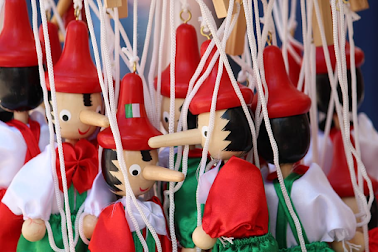
Advanced lesson plan (B2 and above): Why are some people passionate about puppetry? -  BUY ME A COFFEE if you like my FREE ESL content How do puppeteers use a hunk of wood, some string and subtle hand movements to create the illusion of life? Puppetry is an ancient art, and the people who still practise it today have accumulated not only a great amount of passion, but also many tricks and techniques. In this B2+ worksheet, students will  Study a video about puppetry Insert the correct dummy subjects  into sentences Learn six string-related  idioms See  pun-ny jokes  about puppets Read about the Macy's Day Parade inflatable dirigibles Educational materials shouldn't be paywalled. Show your support for my ESL content by  buying me a coffee! Click  HERE   f or the worksheet answers Lesson objectives: 1) To complete a spot-the-difference exercise, using prepositions of place to locate the stand-out features 2) To insert dummy subjects into s...

Why you sometimes have trouble opening doors

Image
Advanced lesson plan (B2 and above): Why you sometimes have trouble opening doors -   BUY ME A COFFEE if you like my FREE ESL content Have you ever pushed on a pull door, even when it was clearly marked as such? Or pulled at a push door? According to Don Norman, a distinguished professor of technology, you shouldn't feel bad about it: it's actually the designer's fault.  In this B2+ worksheet, students will  Study a video about "human-centred design"; Learn door-related idioms;  Match phrasal verbs based on "SHUT" to pictures; Practise the definite article (and exceptions to the rule: "go to town" and "go to the town"); Find the correct punchlines for pun-ny jokes about doors. Educational materials shouldn't be paywalled. Show your support for my ESL content by  buying me a coffee!     Lesson objectives: 1) To match six phrasal verbs based on "SHUT" to pictures (to shut up, to shut away, to shut down, to shut off, etc.) ...

Why the human back is a design disaster

Image
Advanced lesson plan (B2 and above): Why the human back is a design disaster -    BUY ME A COFFEE if you like my FREE ESL content Back pain is a uniquely human complaint. It is the price of standing up straight. One scientist said balancing our big heads on top of our vertebrae is like trying to stack 26 teacups and saucers. In short, the human back is an engineering nightmare. In this B2+ worksheet, students will  Learn back-related idioms;  Do a short exercise about transport prepositions;  Match six phrasal verbs (to BACK out of something, to BACK into something, to BACK down etc.) with corresponding pictures  Study a video and article about back pain.  Educational materials shouldn't be paywalled. Show your support for my ESL content by  buying me a coffee!     Lesson objectives: 1) To match phrasal verbs with pictures (to BACK away, to BACK down, to BACK something up, etc.) 2) To complete a short exercise about transport prepos...

Is each snowflake really unique?

Image
Advanced lesson plan (B2 and above): Is each snowflake really unique? -    BUY ME A COFFEE if you like my FREE ESL content Of the trillions of snowflakes that fall every year, is it true that no two are identical? A scientist at CalTech University has the answer. In this B2+ worksheet, students will practise the third conditional, learn six snow-related idioms/phrases, study lots of relevant vocabulary and discuss the science of snowflakes. Educational materials shouldn't be paywalled. Show your support for my ESL content by  buying me a coffee!            Lesson objectives: 1) To learn snow-related vocabulary by matching relevant words to a picture of a snow-covered road.  2) To practise using third conditionals, conjugating sentences appropriately to talk about a car that slipped on an icy road on bald tyres.  3) To understand nuance and puns with three wintry jokes, about a penguin, a snowman and an igloo. 4) To explain scie...

How to win friends and influence people

Image
Advanced lesson plan (B2+): How to win friends and influence people -  BUY ME A COFFEE if you like my FREE ESL content In 1937, arguably the most influential self-help book ever was published: How to Win Friends and Influence People , by American author Dale Carnegie.  But how relevant are its lessons in the modern world? Decide for yourself in this week's worksheet, which also introduces six friend-related idioms and phrasal verbs, as well as a mountain of advanced vocabulary. Educational materials shouldn't be paywalled. Show your support for my ESL content by  buying me a coffee! Lesson activities: 1) To warm up, students will complete five quotes from Carnegie's best-seller, using vocabulary from a list. They will then discuss their thoughts about the advice.  Key vocabulary: to dangle, bristling, temper, shun, vanity, rattlesnakes, to be fond of, incessantly. 2) Students will watch a video (9:00) entitled "How to win friends and influence people - a summary of C...

The language of pain

Image
Advanced lesson plan (B2 and above): The language of pain -  BUY ME A COFFEE if you like my FREE ESL content OUCH! How would we describe an ear ache, an ant bite, giving birth or being kicked in the testicles? It can be difficult even in your native language.  Fortunately, doctors in pain clinics have designed the McGill Pain Questionnaire to help patients put their feelings into words - a tool we can also use as ESL teachers. In this B2+ worksheet, students will learn lots of vocabulary related to pain, as well as studying a Ted-Ed video about the nervous system and an article about fibromyalgia. Educational materials shouldn't be paywalled. Show your support for my ESL content by  buying me a coffee! Lesson activities: 1) To warm up, students will read a short extract from Elaine Scarry's 1987 book The Body in Pain . They will have to match underlined words with their definitions.  Key vocabulary: fragmentary, coax, bypass, perceive, amplify, unreliable narrator. 2...

How to survive the apocalypse

Image
  Advanced lesson plan (B2 and above): How to survive the apocalypse -    BUY ME A COFFEE if you like my FREE ESL content Who are the "doomsday preppers"? In light of the global pandemic of 2020, should we all start stockpiling and making contingency plans for future catastrophes? In this B2/C1 worksheet, students will learn some survival tips, discuss the psychology of "doomsday preppers" and learn phrases related to the topics (e.g. "better safe than sorry", "tinfoil hat conspiracy theorists"). Educational materials shouldn't be paywalled. Show your support for my ESL content by  buying me a coffee!   Lesson activities: 1) To warm up, students will label nine survival items and discuss which three they would want in an apocalyptic scenario. Key vocabulary: axe, backpack, sniper rifle, gas stove, torch, compass, thermos flask, gloves, first aid kit. 2) Students will watch a video (8:41), offering tips on how to survive in the wilderness - fr...

What's that ringing in your ears?

Image
   Advanced lesson plan (B2): What's that ringing in your ears? -  BUY ME A COFFEE if you like my FREE ESL content 1 in 8 people have tinnitus. So what causes it? And is there a cure? In this B2+ worksheet, students will study a Ted-Ed video on the causes of tinnitus, as well as the subtle differences between the verbs "to listen", "to hear", "to overhear" and "to eavesdrop". Six idioms related to ears will also be presented to students. Educational materials shouldn't be paywalled. Show your support for my ESL content by  buying me a coffee!     Lesson activities: 1) To warm up, students will match four images of people in various situations with the verbs "to hear", "to listen", "to eavesdrop" and "to overhear". They will then find the correct punchlines for four pun-ny jokes related to hearing. Key vocabulary: handy, symptoms, to shine, tip of the iceberg. 2) Students will watch a video (5:38) en...

An introduction to Shakespeare

Image
Advanced lesson plan (C1): An introduction to Shakespeare -   BUY ME A COFFEE if you like my FREE ESL content Everyone's heard of William Shakespeare, but for most of us he's not much more than a name and a few dry facts. In this C1 worksheet, we bring Shakespeare to life, discussing the sordid details of Romeo and Juliet's doomed love affair, learning how the poetic meter of the Bard's poems mimicked the BUM-BUM of the human heart, and much more!  Educational materials shouldn't be paywalled. Show your support for my ESL content by  buying me a coffee!   Lesson activities: 1) Students start by reading a short biography about William Shakespeare, filling in missing words. Key vocabulary: manuscripts, spawned, renowned, prolific. 2) Students will then read Shakespeare's most famous sonnet, 'Shall I Compare Thee to a Summer's Day?' They will be aided in their comprehension by information about archaic pronouns, modernised 'translations' of dif...

How to make a decision

Image
    Advanced lesson plan (B2 and above): How to make a decision -  BUY ME A COFFEE if you like my FREE ESL content Ever found it difficult to choose between two paths? This week, we're talking about those crossroads moments in life... In this B2+ worksheet, students will discuss Robert Frost's famous poem, 'The Road Not Taken', look at idioms related to decision-making and watch a video about how to make difficult choices. Educational materials shouldn't be paywalled. Show your support for my ESL content by  buying me a coffee!   Lesson activities: 1) To begin, students will read possibly the most famous poem in the English language: The Road Not Taken, by Robert Frost, and discuss their interpretations. 2) Students will learn  six decision-making idioms/phrases: my way or the highway; to sit on the fence; to take a back seat; the lesser of two evils; all things considered; to flip flop/ They will then answer questions containing these phrases.  3) Ne...

Why elephants never forget

Image
  Advanced lesson plan (B1 and above): Why elephants never forget - BUY ME A COFFEE if you like my FREE ESL content Elephants have famously long memories: they can remember people who have hurt them and helped them many decades after the event.  In this B1/C1 worksheet, students will learn a host of astounding facts about these gentle giants. Also, they will study six elephant-related idioms, read an ancient Indian allegory about the flappy-eared beasts, and more! Educational materials shouldn't be paywalled. Show your support for my ESL content by  buying me a coffee! Lesson activities: 1) To warm up, students will read six pun-ny jokes about elephants, and discuss times they've seen elephants in person or on TV.  2) Students will watch a short video (5:22) from Ted-ED about elephants and their fantastic memories.  Key vocabulary: companions, boast, encephalisation quotient, matriarch, to exact revenge. 3) Next, students will see  six elephant-related...

How rubber ducks reveal ocean secrets

Image
Advanced lesson plan (B2 and above): How rubber ducks reveal ocean secrets -  BUY ME A COFFEE if you like my FREE ESL content A shipment of rubber ducks lost at sea in 1992 is still teaching us about ocean currents. In this B2/C1 worksheet, students will learn about how these 'Friendly Floatees' have been traced by oceanographers for three decades. In addition, they will study a short video about how ducks' feathers protect them from the water, learn six duck-related idioms, and more!  Educational materials shouldn't be paywalled. Show your support for my ESL content by  buying me a coffee!   Lesson activities: 1) To warm up, students will read six pun-ny jokes about ducks, and try and say three tongue twisters as fast and as clearly as possible. 2) Students will watch a short video (4:51) from PBS about how ducks' feathers keep them dry. Key vocabulary: to preen oneself, vaned/down feathers, to rummage around. 3) Next, students will see  six duck-related idioms...